
 |
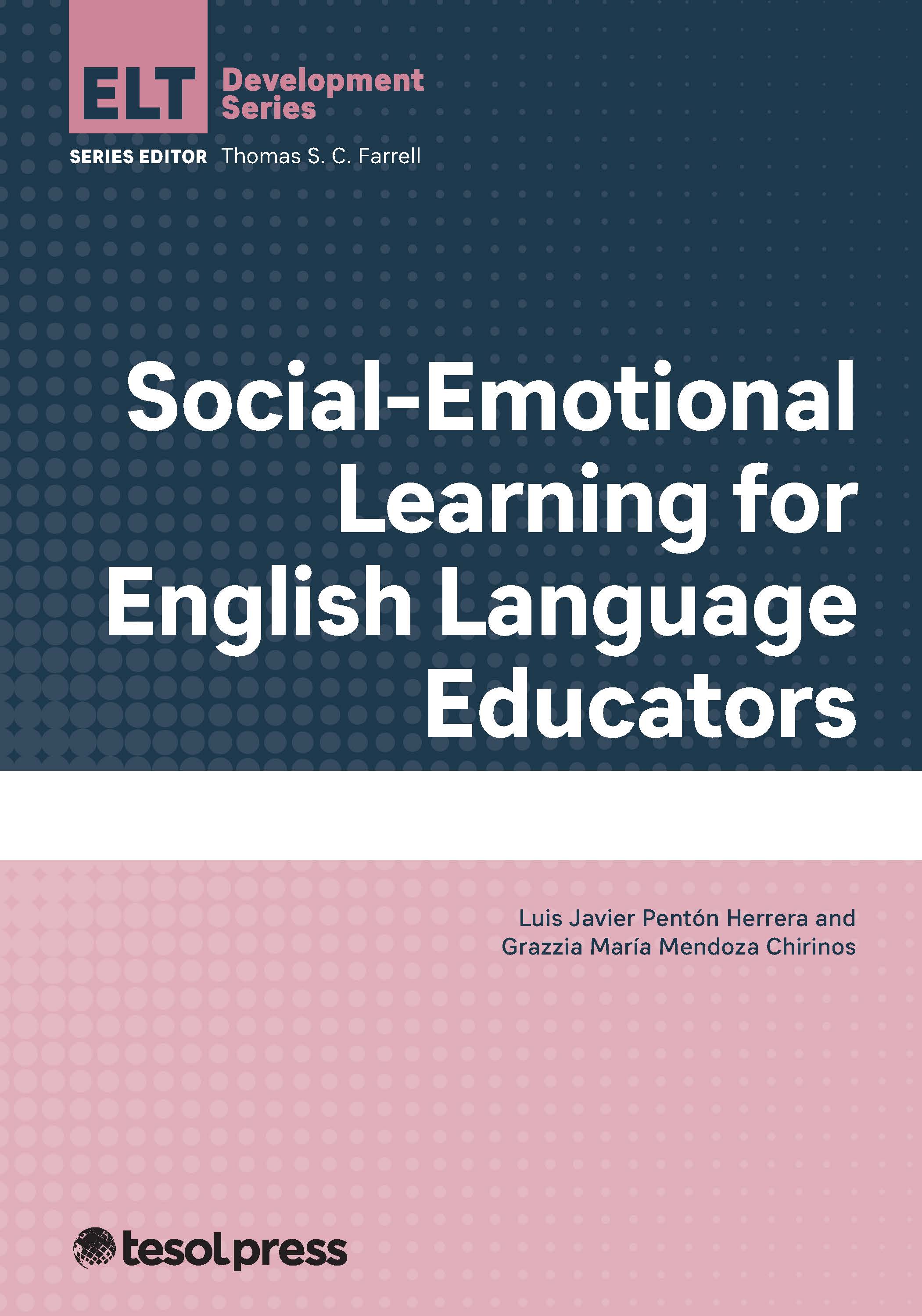
Wednesday, 25 March, 10:00 AM - 10:45 AM Grazzia Maria Mendoza Chirinos Explore 10 considerations within social-emotional learning (SEL) dimensions that honor the social and cultural dimensions of multilingual learners of English. Through a practical approach, educators experience classroom-ready activities that foster empathy, identity, and communication across languages. Participants walk away with tools to enrich their teaching through SEL and cultural awareness. |

Get 30% OFF ALL TESOL Press publications!
TESOL Press Author Sessions
Wednesday, March 25
Multilingual Spaces: Practical SEL Strategies for Culturally Responsive Classrooms
Vocabulary in Contemporary Language Teaching: The Input-Based Incremental Approach
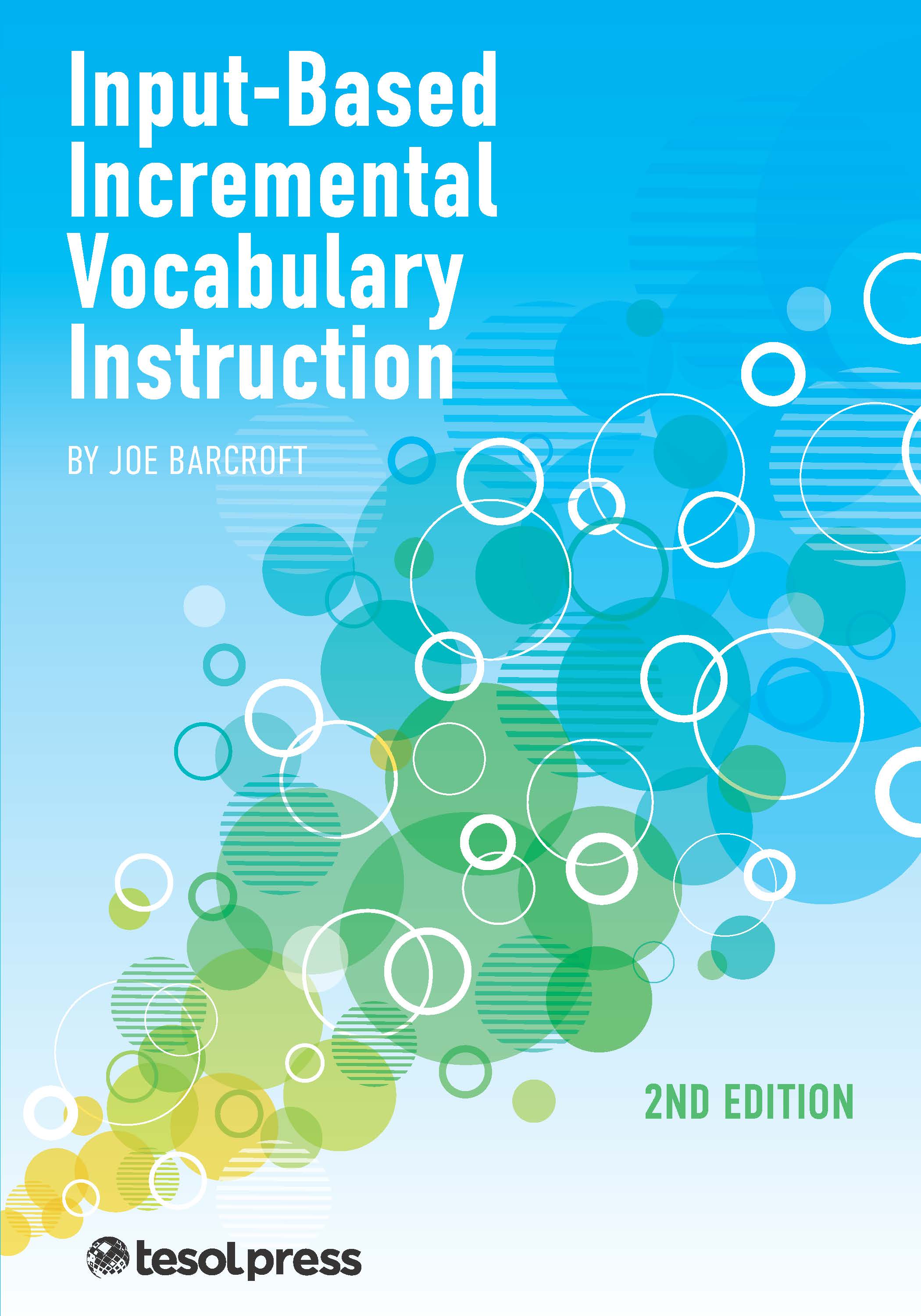 |
Wednesday 25 March, 11:30 AM - 12:15 PM Joe Barcroft Given the central role of lexis in successful language acquisition, this session spotlights theory, research, and practice related to input-based incremental vocabulary instruction, which emphasizes how vocabulary is presented in the input and how different aspects of vocabulary knowledge emerge over time. Sample lessons are included. |
Building Better Adult Education Programs: Practical Strategies
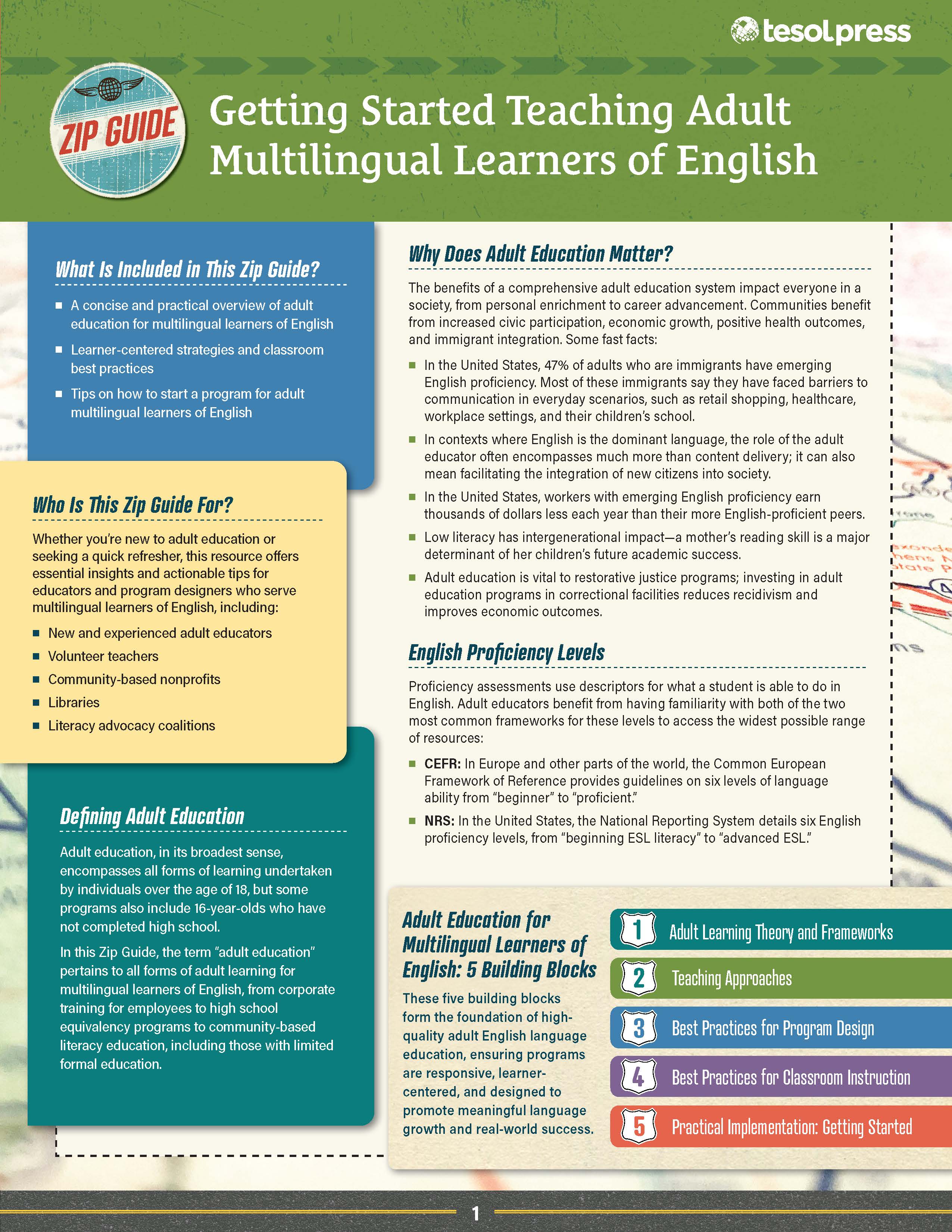 |
Wednesday, 25 March, 12:00 PM - 1:15 PM Jennifer Gagliardi Transform your adult education program with TESOL's newest Zip Guide: Getting Started With Teaching Adult Multilingual Learners of English. In this hands-on workshop, discover practical tools for managing multilevel classrooms, integrating digital and civic literacy, and building trauma-informed, culturally responsive spaces. Leave with ready-to-use activities that boost learner success. |
60 Years of TESOL Quarterly: Highlights From the Anniversary Issue
Wednesday, 25 March, 12:00 PM - 1:15 PM
SPCC, 254 B
Charlene Polio, Peter DeCosta, Wayne Wright, Bedrettin Yazan, Dustin Crowther, Hayriye Kayi-Aydar, and Chang Pu
This session includes four authors who have contributed to TESOL Quarterly's 60th anniversary issue. Each addresses a specific content area (e.g., teacher education) or a specific method (e.g., case study) and discusses how it has been represented in TESOL Quarterly and how we might move forward.
Teaching Social Studies to Multilingual Learners of English
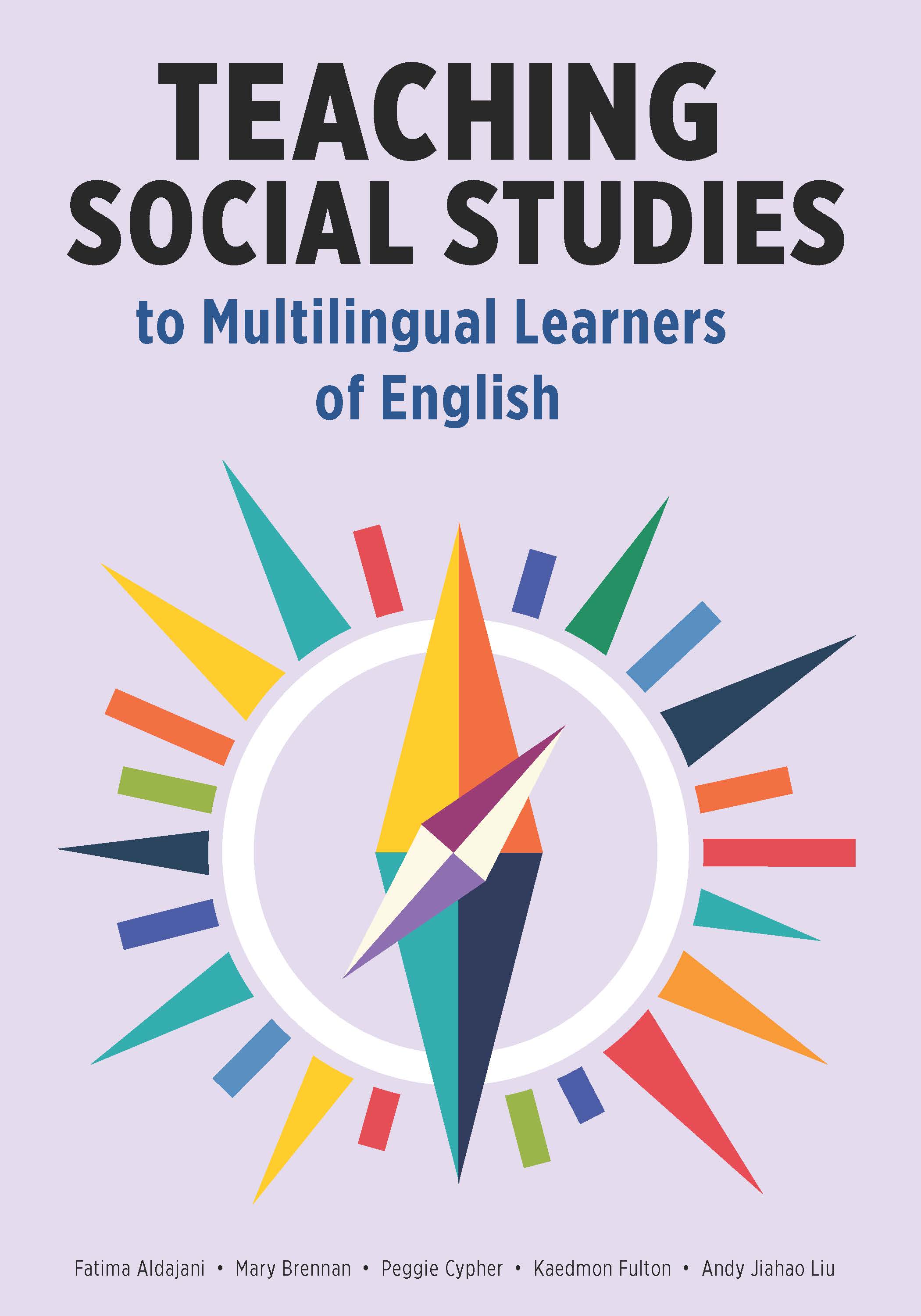 |
Wednesday, 25 March, 1:00 PM - 1:45 PM Fatima Aldajani, Mary Brennan, Peggie Cypher, Kaedmon Fulton, and Andy Jiahao Liu The authors of Teaching Social Studies to Multilingual Learners of English (in press) share insights and practical tips from the book. Participants leave with strategies for integrating language and content objectives, scaffolding primary and secondary sources, and using artificial intelligence for differentiation—a toolkit to immediately use in diverse classrooms. |
TESOL Quarterly: Current Research Highlights
Wednesday, 25 March, 2:00 PM - 3:15 PM
SPCC, 254 B
Peter DeCosta, Paula Winke, Okim Kang, Dustin Crowther, Emily Phillips Galloway, Holland White, and Hunter Zhang
This session highlights stellar research published in TESOL Quarterly. The authors of four empirical studies recently published in the journal showcase their work. Take this opportunity to engage in a thoughtful dialogue with these scholars.
Thursday, March 26
Introducing New Ways in Teaching Visual Literacy
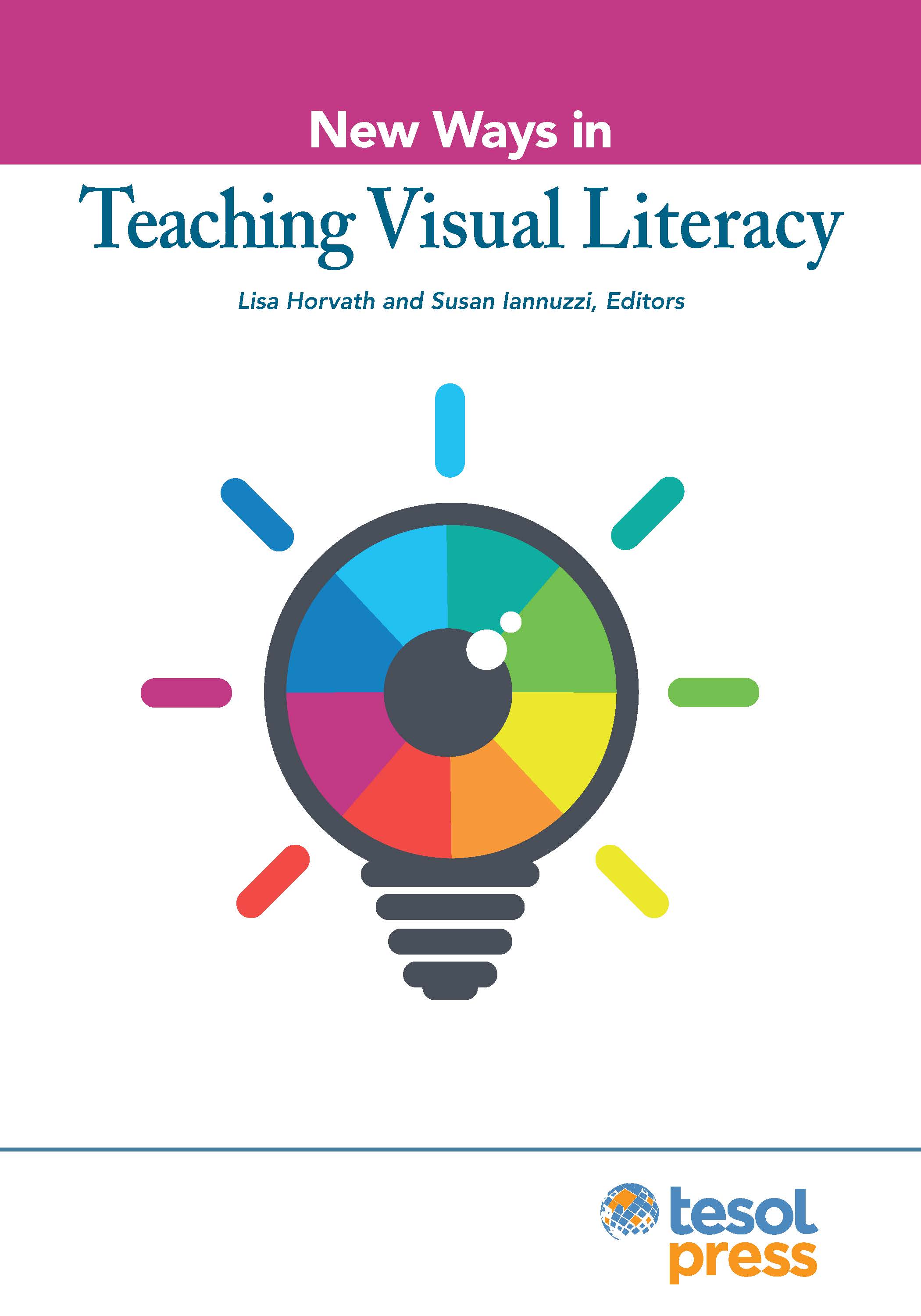 |
Thursday, 26 March, 1:00 PM - 1:45 PM Lisa Marie Horvath and Susan Iannuzzi Interpreting visuals is essential for multilingual learners of English to construct meaning, making visual literacy a key communication skill. This presentation introduces a new addition to the New Ways series—Teaching Visual Literacy—offering creative classroom activities that help learners of all ages and abilities strengthen visual literacy for more effective communication. |
Advice on Publishing Your Work in ELT-Related Journals
Thursday, 26 March, 1:00 PM - 2:15 PM
SPCC, 254 B
Peter DeCosta, Kristen Lindahl, Charlene Polio, and Bedrettin Yazan
This panel moderated by Peter DeCosta, Kristen Lindahl, Charlene Polio, and Bedrettin Yazan provides authors with advice on how to get published in academic journals. Editors from a number of journals discuss what they are looking for in submissions to their journals and answer audience questions.
Effective Teaching Practices Aligned to TESOL's The 6 Principles
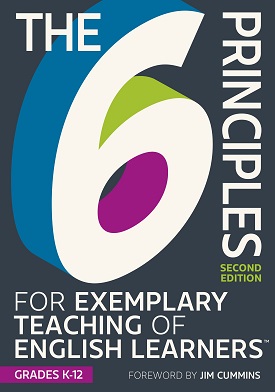 |
Thursday, 26 March, 2:30 PM - 3:15 PM Deborah Short, Alice Lau, and Andrea Hellman This session illustrates effective teaching practices that align to TESOL’s The 6 Principles for Exemplary Teaching of English Learners. Presenters demonstrate techniques and activities that teachers can apply in primary, secondary, and adult classes to create productive, active, and meaningful language instruction for diverse learners. |
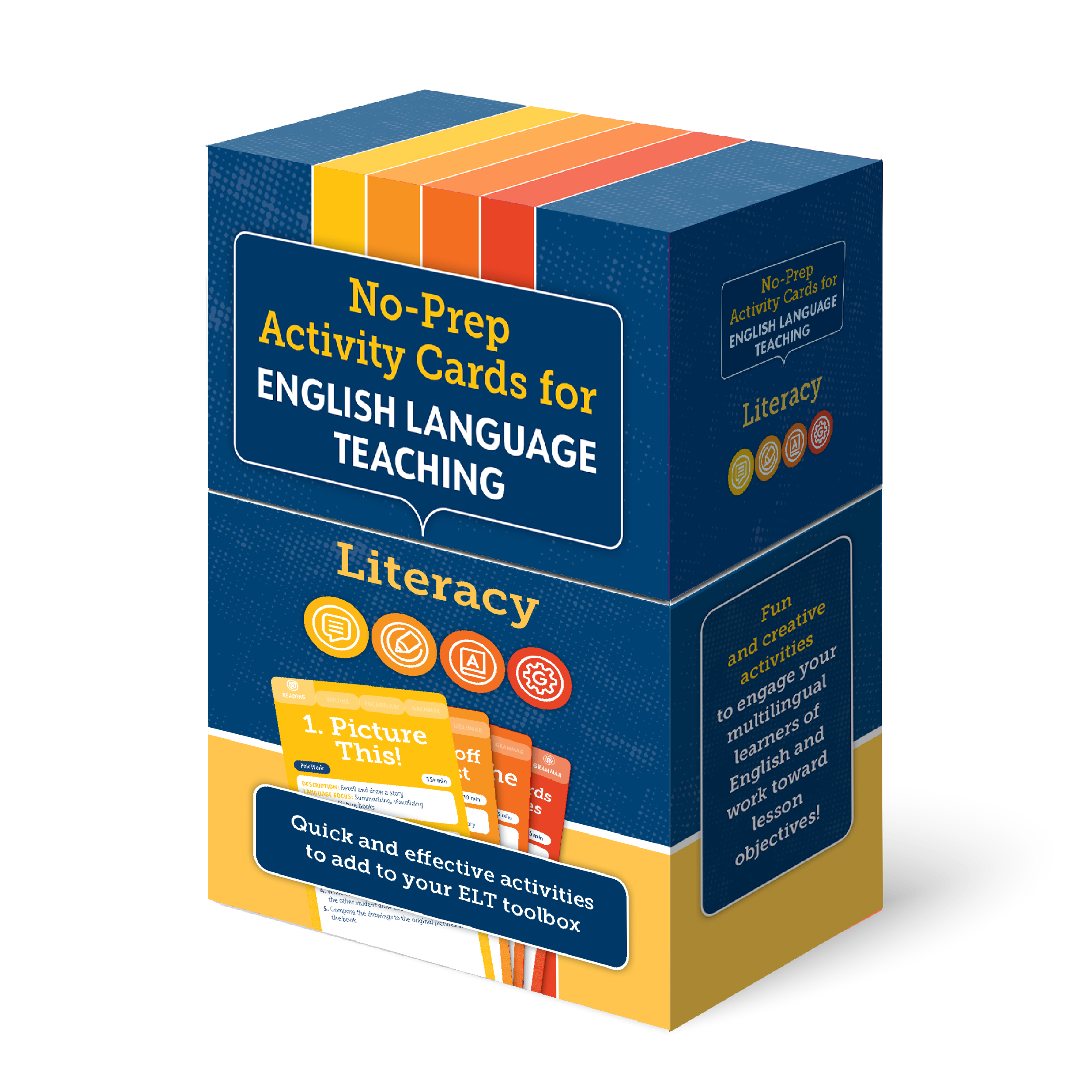
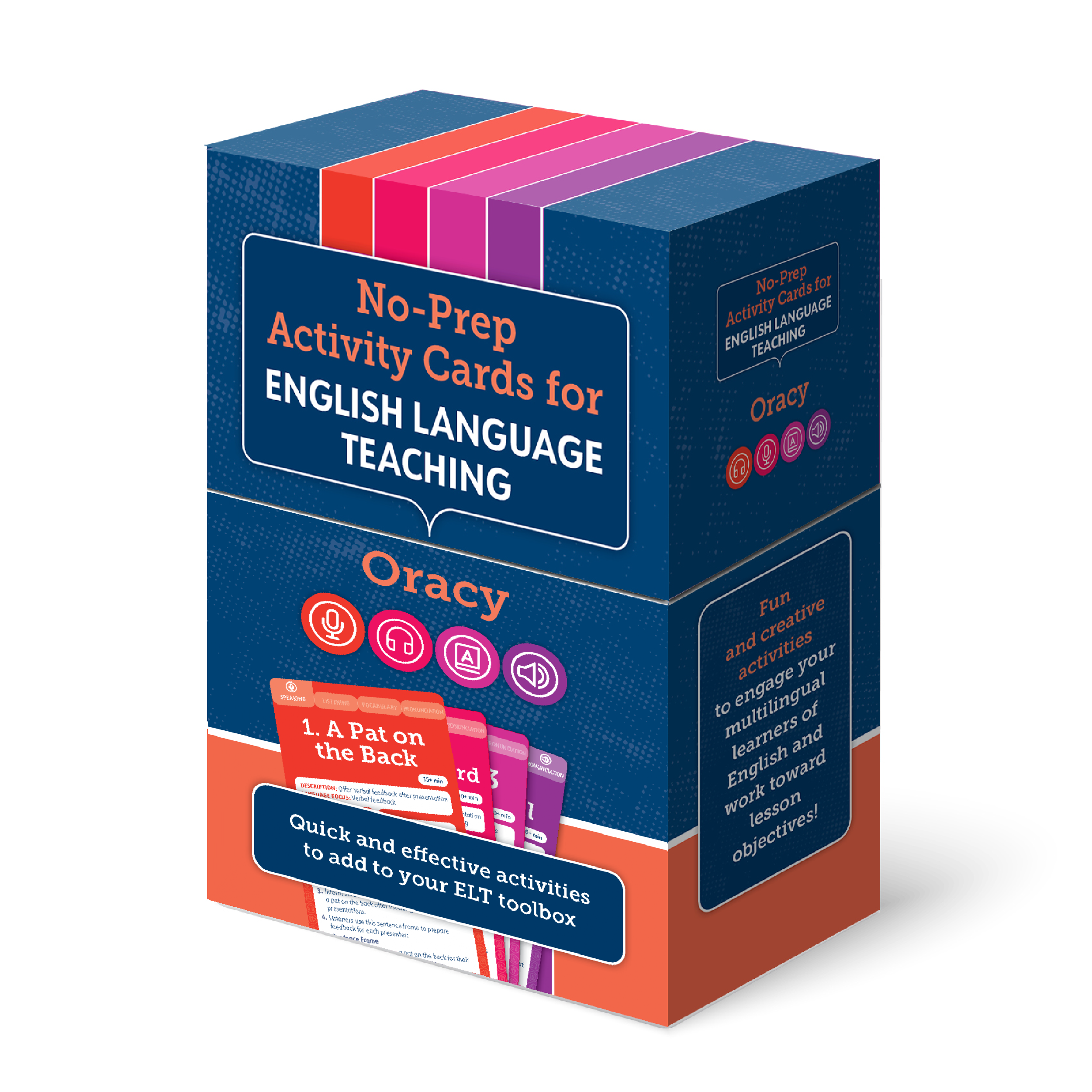
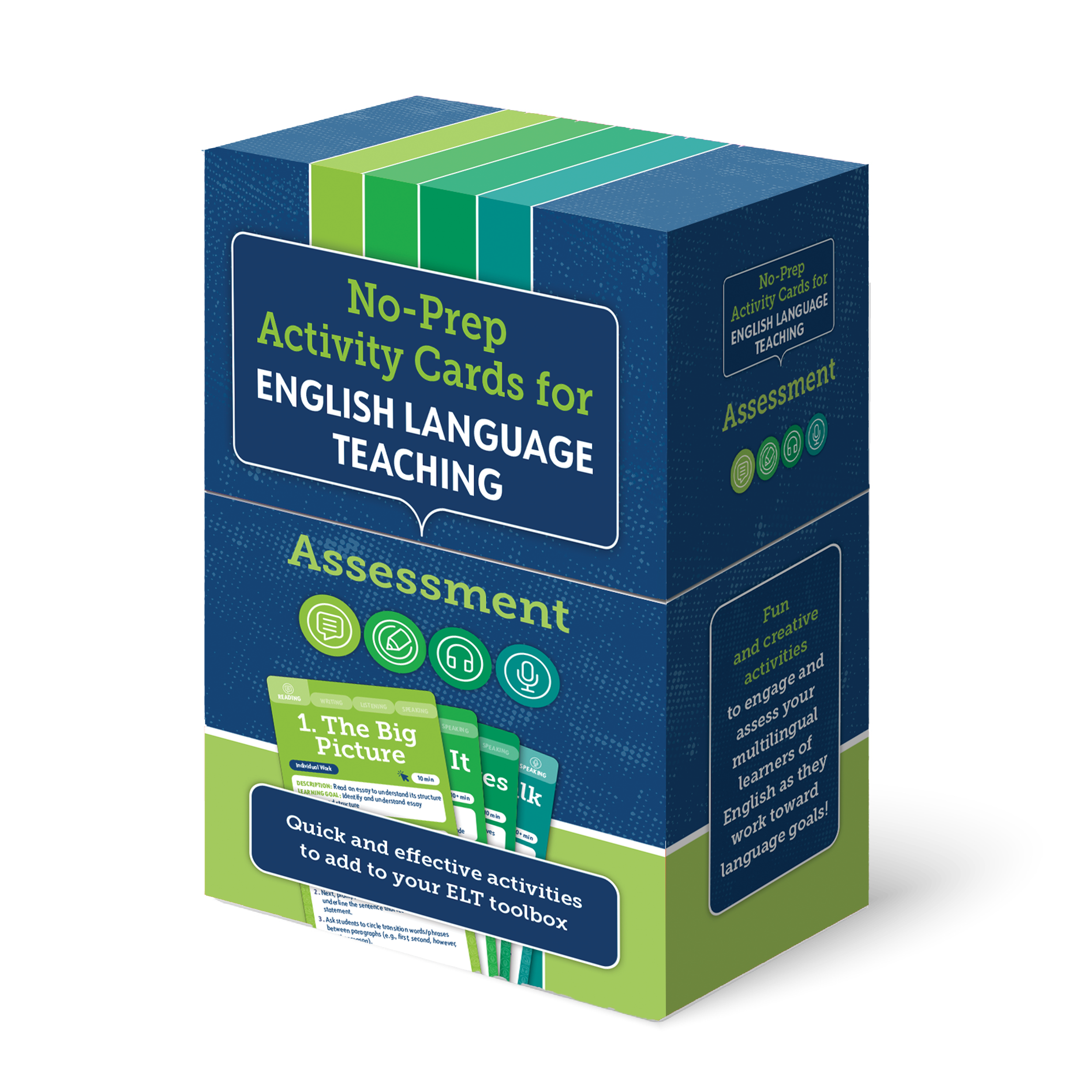
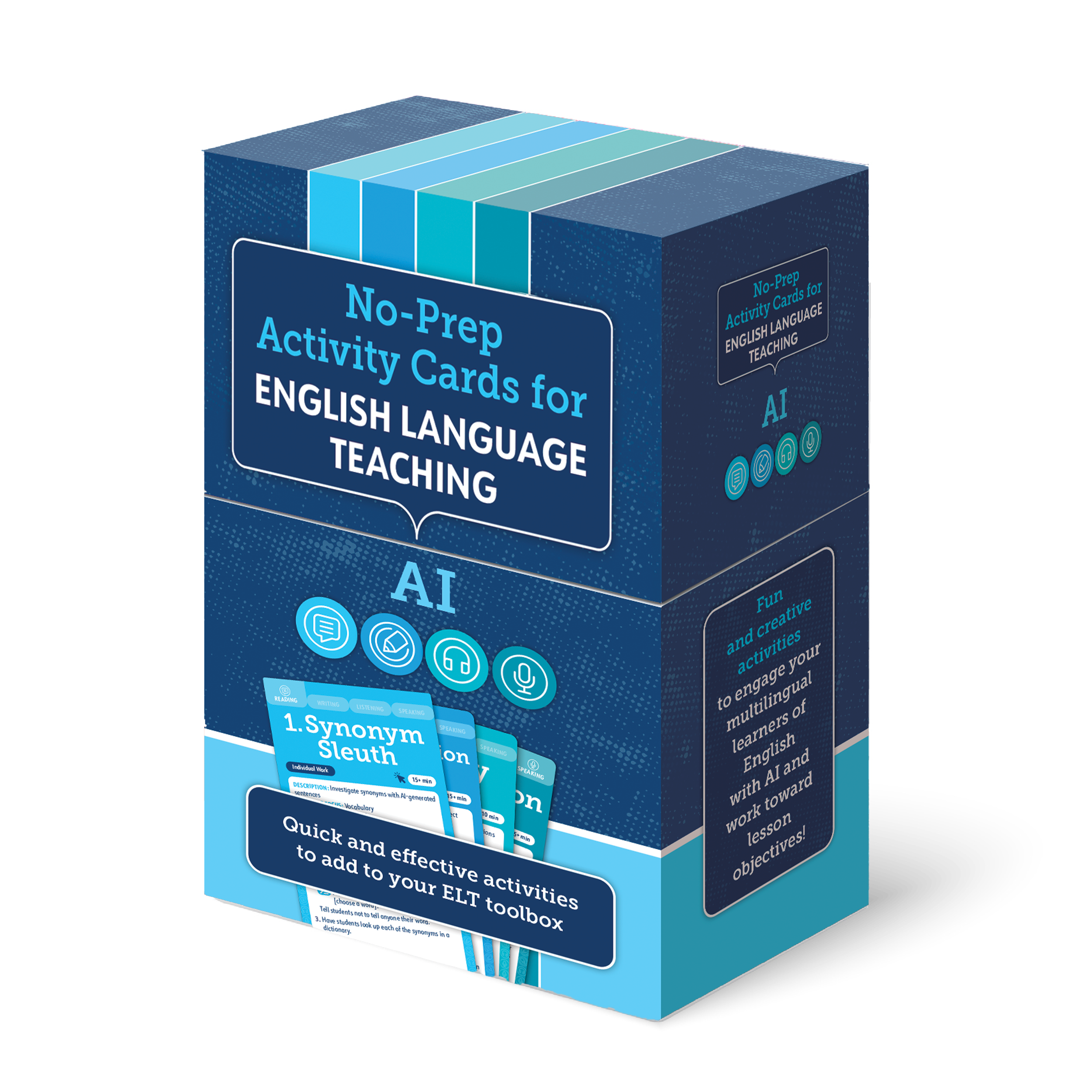
Little Cards, Big Impact: No-Prep Activities for Literacy, Oracy, Assessment, and AI
|
Thursday, 26 March, 4:00 PM - 5:15 PM Alycia Owen and Daniela Dascalita Ortiz Explore TESOL's No-Prep Activity Cards series, where "Little Cards, Big Impact" comes to life in literacy, oracy, assessment, and artificial intelligence. Each 100-card set offers quick, creative, adaptable solutions that energize lessons and foster collaboration. Come learn how easy it is to integrate these impactful activities into any lesson. |
Friday, March 27
TESOL Journal: Current Research Highlights
Friday, 27 March, 8:00 AM - 9:15 AM
SPCC, 254 B
Bedrettin Yazan,Yasemin Tezgiden Cakcak, Nusrat Gulzar, Angela Hakim, Angela Bell, Camille Ungco, and Susan R. Adams
This panel brings together a selection of recent studies published in TESOL Journal highlighting cutting-edge research and practice in ELT across contexts. By showcasing these studies, the panel emphasizes the journal’s role as a platform for advancing knowledge and connecting research and classroom practices in our field.