
From First Convention to Field Leadership: A Pathway in TESOL
 Leadership can be defined as openness to challenges, to opportunity, and to perspectives one may not have fully understood at first, requiring willingness to listen carefully and to reconsider ideas that might previously have been dismissed. This definition comes from Dr. Drew Fagan, current member of the TESOL Board of Directors (2025–2028), and these ideas are further explored in this blog through his leadership journey and perspectives on pathways in TESOL leadership.
Dr. Fagan grew up in a predominantly English-speaking environment, yet his Italian great-grandmother provided his earliest connection to another language. He was captivated by the rhythm of her Italian, the deliberate pace of her speech, her expressive gestures, and even the so-called “errors” in her English. He recalls noticing how others responded to her when they were in public, how quickly judgments were made based on perceived linguistic differences. That awareness left a lasting impression.
At his first TESOL convention in 2004, while he was a master’s student, he had the opportunity to meet one on one with leaders whose openness toward emerging professionals left another kind of lasting impression. The conversations were not hierarchical; they were approachable and intellectually rich. He carried that lesson forward: Be yourself, be prepared, and reach out, no matter how “famous” someone may be. For him, leadership begins with the willingness to initiate conversation and the humility to engage as a learner. He continues to make himself accessible to new professionals because the field’s vitality depends on whether they feel welcomed and included.
 This relational orientation later informed his efforts to coestablish a statewide mentorship program during his leadership within the Maryland TESOL Association, where he served as president. The program was an extension of what he had experienced early on: mentorship as invitation, conversation as growth, and leadership as something shared rather than guarded. After more than 25 years in TESOL, his work continues to reflect those principles. Over the course of his career, this early awareness developed into sustained leadership across multiple contexts, such as university programs, state professional associations, and policy initiatives. His work has spanned teacher preparation, statewide mentorship structures, membership reform, and legislative advocacy, all centered on advancing equitable access for multilingual learners. His trajectory reflects a pattern of identifying systemic needs and building structures that outlast individual roles. Across institutions and levels, his leadership consistently aligns vision with concrete action.
To explain his view of leadership, he turns to a metaphor from cooking, an art he learned from his Italian great grandmother. A recipe may be time tested, but tastes, needs, and ingredients evolve. The challenge is not to abandon tradition, but to adapt it so more people can gather at the table regardless of dietary restrictions. The core remains, yet thoughtful adjustments make it relevant and inclusive. Leadership follows a similar pattern. Strong foundations matter, but they must respond to changing contexts. It requires reimagining established practices, broadening participation, and exploring new approaches to the work. The essence remains, yet growth depends on intentional adaptation.
That philosophy also informs how he envisions TESOL’s future. Over the next decade, he hopes the field expands its understanding of leadership beyond the classroom. Teachers remain central, but they do not work in isolation. Policymakers, school leaders, general education colleagues, and community stakeholders all shape what is possible for multilingual learners of English. If TESOL is to thrive, it must continue to evolve while remaining focused on its essential purpose: supporting multilingual learners of English in ways that reflect the realities of today’s schools and communities.
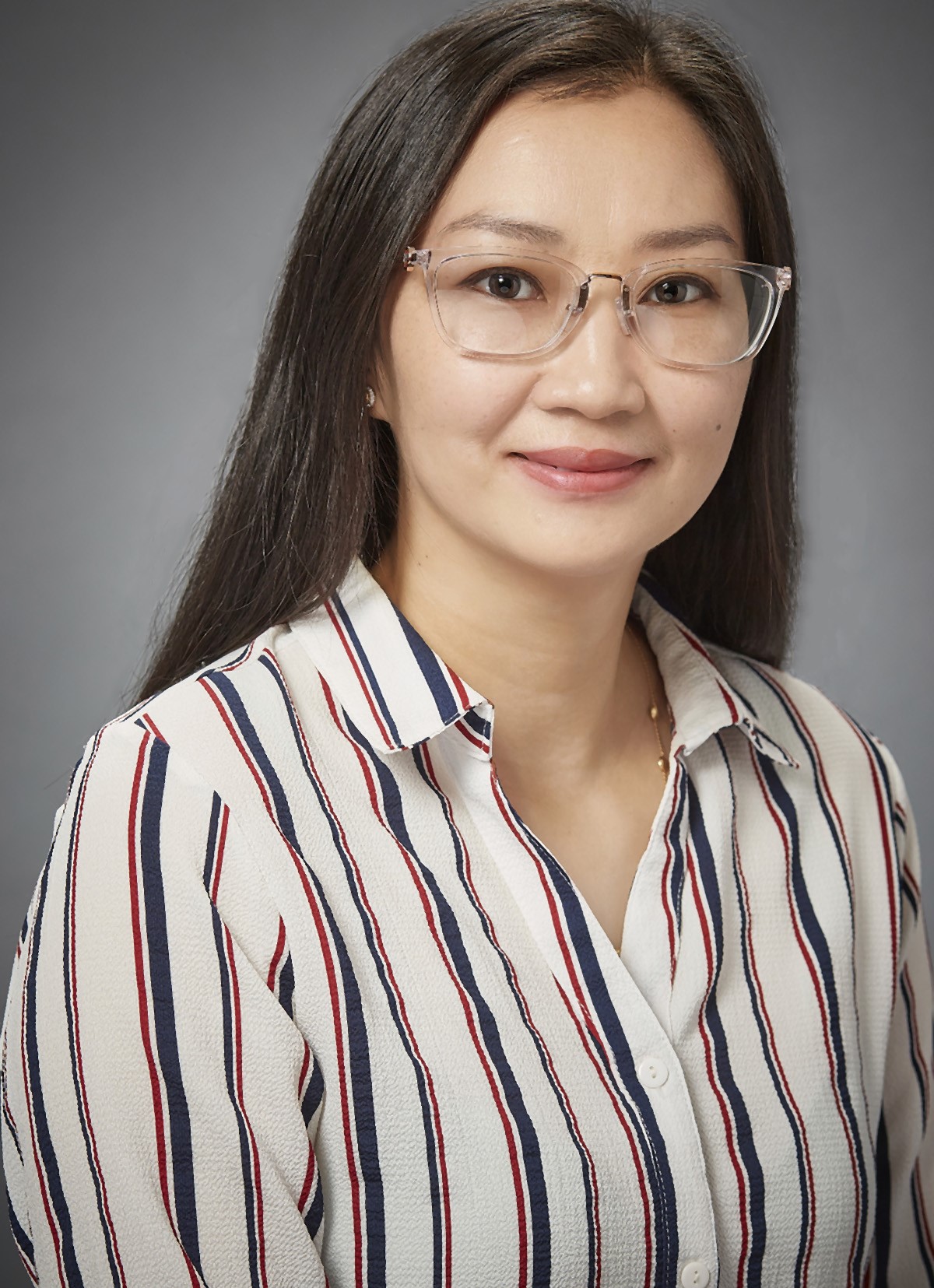
About the author
Enkhchimeg Sharav
Enkhchimeg Sharav is a PhD candidate in curriculum and instruction at Montana State University, USA. Her work focuses on international education, digital storytelling, and technology-enhanced teaching. She is a recipient of the TESOL Leadership Mentoring Award (2025–2026), an experience that informs her interest in leadership pathways and mentoring within TESOL. In addition to her research, she is actively involved in leadership and service, including founding the International Education Networking Initiative, a nonprofit organization, and serving as the events manager for TESOL’s Computer-Assisted Language Learning Interest Section (CALL-IS).